
Affordable Virtual Phone System Pricing Plans
In the evolving world of business communications, finding a cost-effective solution that enhances flexibility and scalability is paramount. As a small business owner, understanding virtual phone system pricing can help you make an informed decision that supports your growth while saving costs. But what exactly are virtual phone systems, and how do they work? Let's explore and break down everything you need to know about virtual phone system pricing and plans.
Understanding Virtual Phone Systems
A virtual phone system, also known as a VoIP or cloud phone system, allows businesses to handle phone calls over the internet rather than through traditional landlines. This system converts voice into digital data packets that travel via the internet, providing seamless communication across various devices. Imagine having the luxury of using your business number whether you're in the office, at home, or on the go, without the need for cumbersome hardware. That's the convenience a virtual phone system offers!
Typically hosted in the cloud by third-party providers, these systems come with numerous features designed to streamline business communications. This service can play a vital role in enhancing productivity and professionalism while offering significant cost savings.
Breaking Down Virtual Phone System Pricing
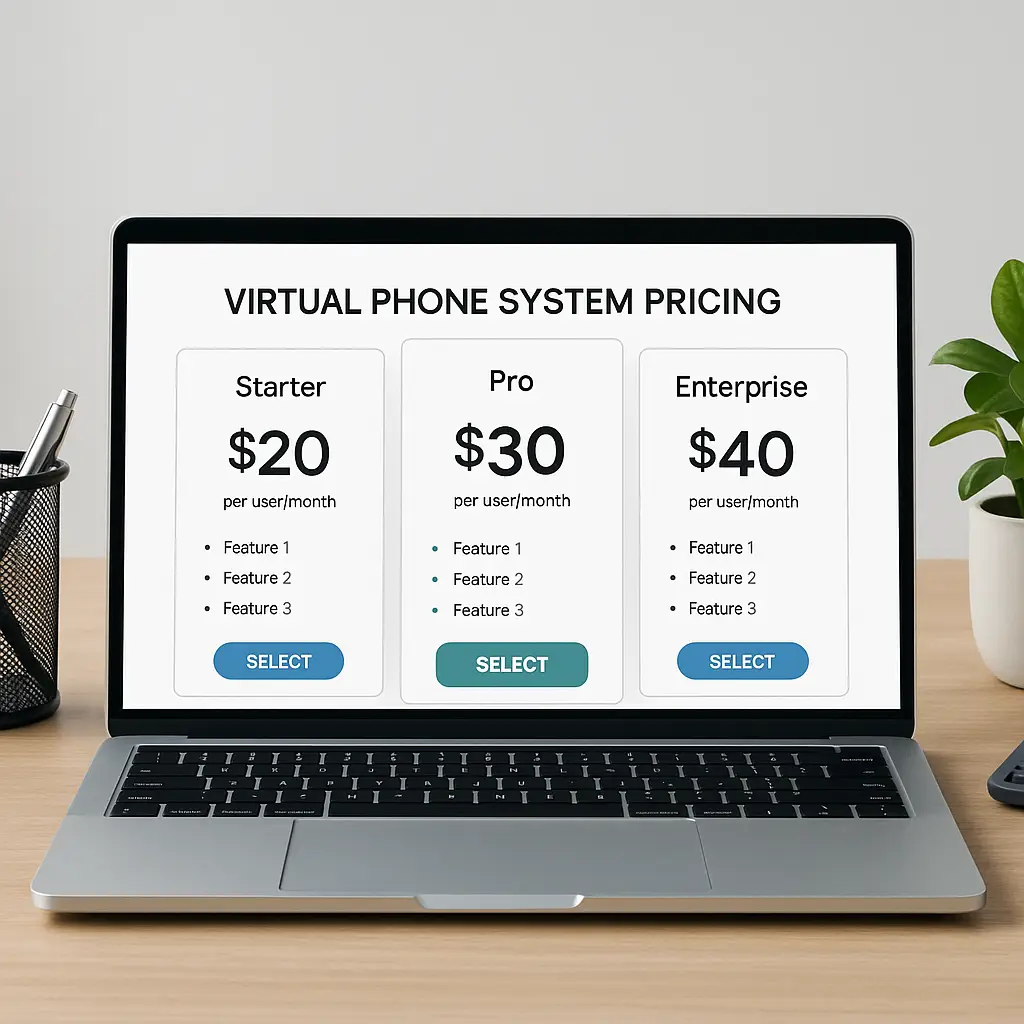
Understanding virtual phone system pricing involves looking beyond the initial fees. Commonly, providers offer several pricing tiers tailored to different business needs:
- Basic Plans: Generally include essential features like call routing, voicemail, and limited international calling. Ideal for startups or solopreneurs looking for an affordable entry point.
- Standard Plans: Mid-tier offerings might include additional features like CRM integration, auto-attendants, and enhanced call analytics—perfect for growing businesses.
- Premium Plans: These typically offer comprehensive features such as HD video conferencing, full mobile app access, and advanced reporting—suitable for larger enterprises or those needing robust functionality.
When comparing virtual phone system costs, be aware of potential hidden charges like setup fees or international call rates. Having a transparent conversation with providers about all possible expenses can prevent unwanted surprises.
Why a Virtual Phone System Is Cost-Effective
Virtual phone systems are celebrated for their cost savings, often reducing monthly communication costs by 50-75% and offering up to 90% savings on international calls. But why are they cheaper than traditional systems?
- No Physical Infrastructure: Since everything’s in the cloud, businesses save on hardware and maintenance costs.
- Subscription-Based: Pay only for what you need with scalable plans that adjust to your team’s size, eliminating waste.
- Remote Work Flexibility: Employees can work from anywhere without losing contact—a critical feature in today's remote work environment.
These savings aren't just about money; they free up resources and time, enabling you to focus on core business operations.
Choosing the Right Plan for Your Business
Given the variety of options, how do you determine which virtual phone system plan is suitable for your business? Here's a streamlined approach:
- Identify Core Needs: List features essential to your operations. For a sales-heavy team, CRM integration might be necessary. For global outreach, international calling is crucial.
- Set a Budget: While cost shouldn't be the only factor, it's vital to know what you can afford monthly. Consider long-term value over short-term savings.
- Compare Providers: Don’t just look at the price. Compare features, customer service quality, and user feedback.
Remember, the most expensive plan isn’t always the best one for your specific needs. Balance features with your budget to find the perfect match.
Common Pitfalls and Considerations
While virtual phone systems offer numerous benefits, there are common concerns you should keep in mind:
- Technical Dependency: High reliance on internet connectivity can be a downside. Ensuring high-speed, reliable internet is available can mitigate this issue.
- Implementation Complexity: Although many providers boast easy setup, consider technical support for a smooth transition.
- Understanding Pricing: Clarity on pricing, including fees and usage costs, is essential to avoid confusion. Providers like the FCC offer useful guides on VoIP pricing practices and consumer protections.
Conclusion: Deciding on Your Virtual Phone System
With clearer insight into virtual phone system pricing and considerations, you're well-prepared to choose a system that aligns with your business goals and budget. Whether you opt for a basic or premium plan, it's essential to strike a balance between cost, features, and scalability.
Your next step is simple: Reach out to prospective providers, ask the right questions, and perhaps start with a trial. Don't hesitate to explore solutions that promise growth and enhanced communication for your business. For comprehensive reviews, platforms like G2 can be an excellent resource.
Embrace the future of business communication and find a plan that meets your needs today while positioning you for success tomorrow!